
Flood Reflections from the Nursery
High in the Cascade Mountains, the Snoqualmie River begins its journey. As it descends into the valley below, it winds through forests, farmland, and the communities that call this place home. Each year, winter rains and spring snowmelt swell the river, and the valley prepares for rising water.
Seasonal flooding is a familiar rhythm at Oxbow. Its disruptions are part of the trade-off for the ecological and soil fertility benefits flooding brings to the land, including pest and disease suppression and the nutrient-rich sediment that high river waters carry from upland forests into the floodplain below.
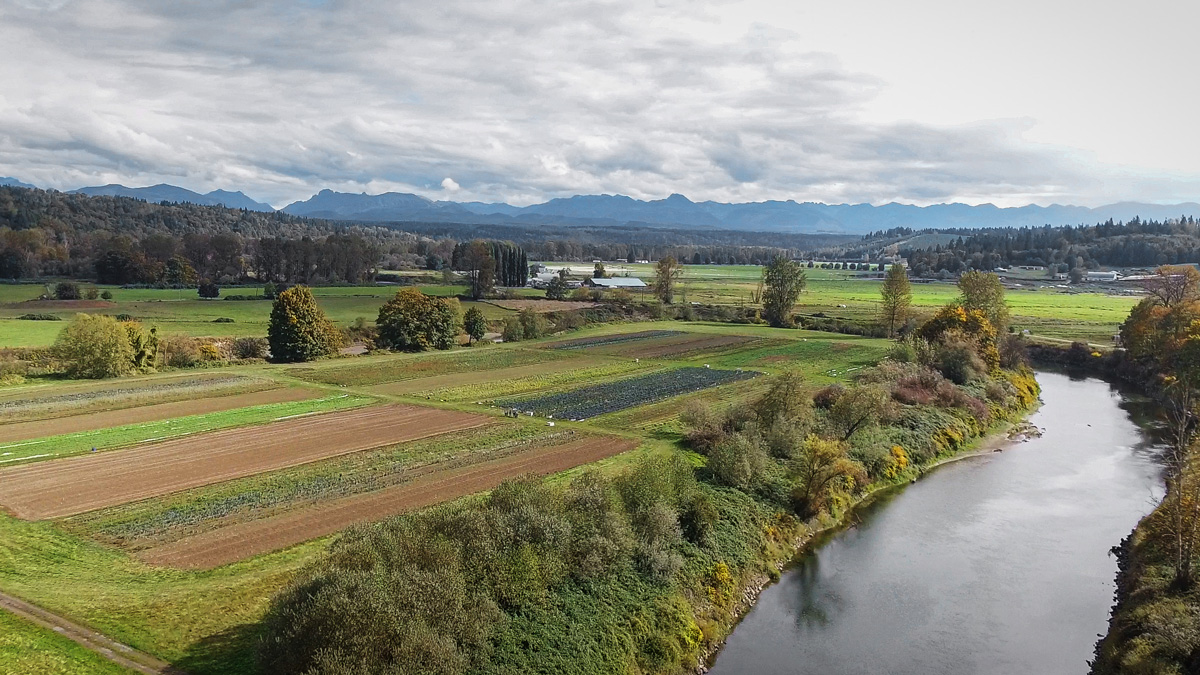
Floods here are often manageable. At times, though, the river rises high enough to completely overtake fields and roads, with major impacts on farmland and infrastructure across the valley.
We plan for this reality as best we can, knowing each flood brings its own variables. We rely on preparation protocols honed through years of experience.
This Flood Was Different
This past December’s flooding exceeded all predictions. Oxbow’s Native Plant Nursery, like much of the valley, was submerged.
- Over 13,000 plants were composted or lost
- 2,555 plants were quarantined for on-site restoration
- Nearly 1,000 hours have gone into cleanup, repairs, and reorganization—with more to come
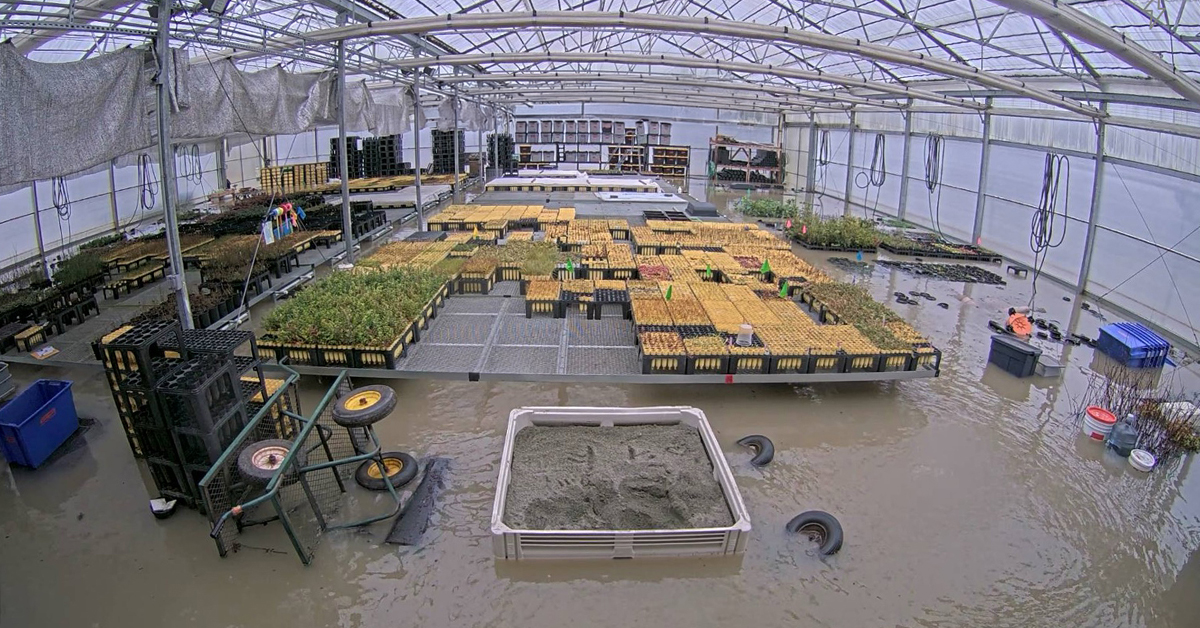
From the initial survey of damage through the work of cleanup, we found ourselves holding grief alongside gratitude.
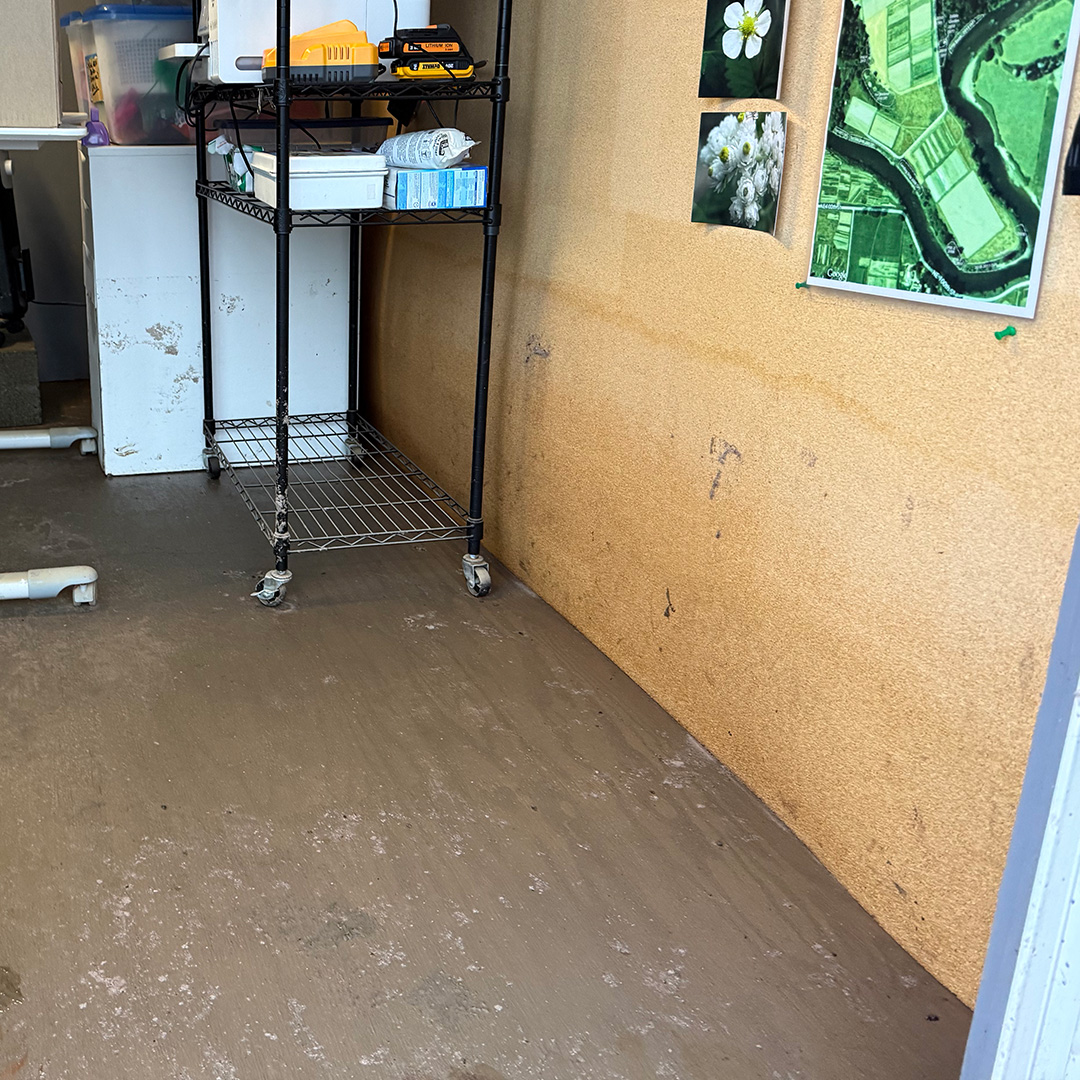
There were moments that felt surreal for our team: water lines marking the height of the flood on our office walls, hay caught in fences well above our reach, and raised beds that had drifted hundreds of feet. Even our seed cooler was partially submerged and shaken about, though thankfully the stock inside remained dry.
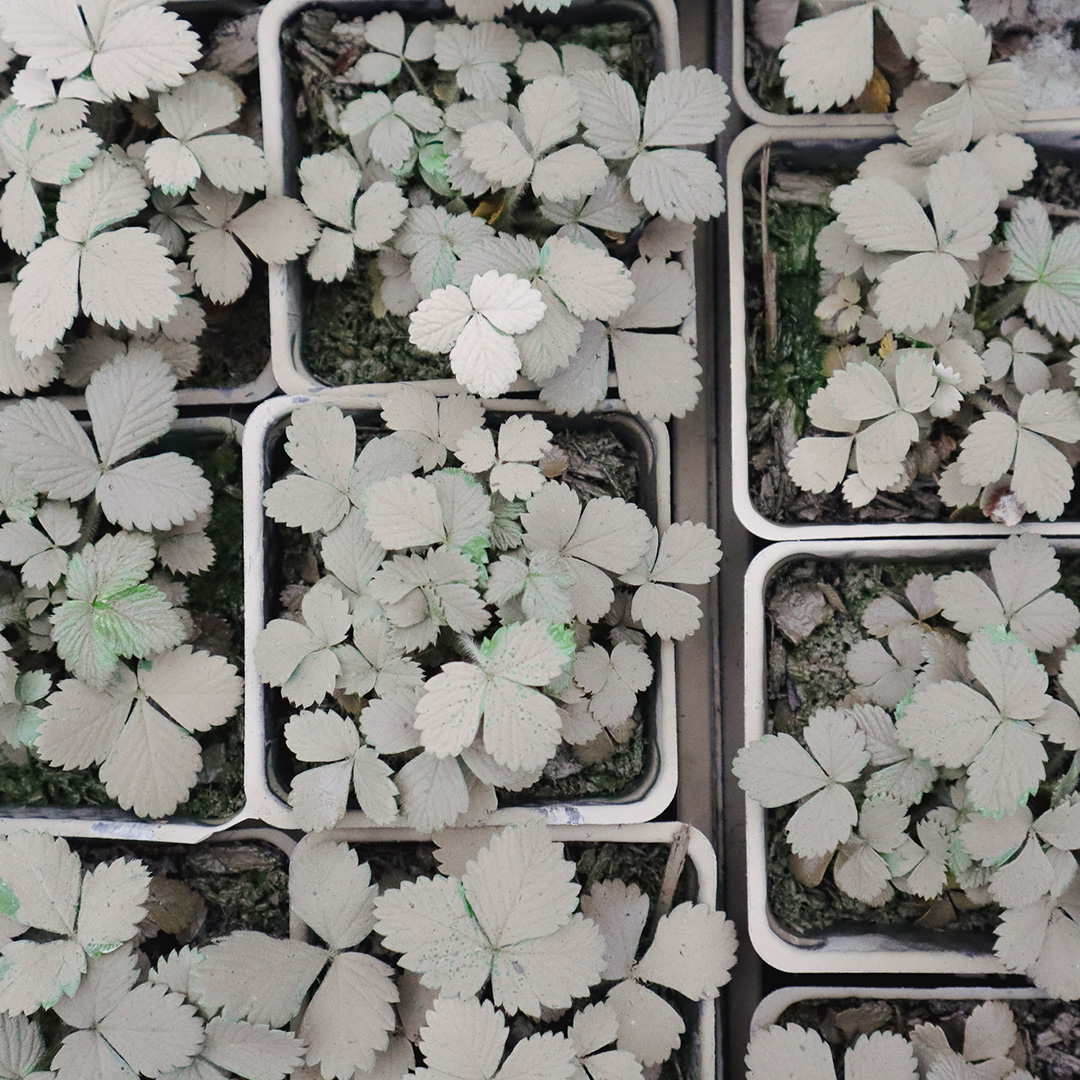
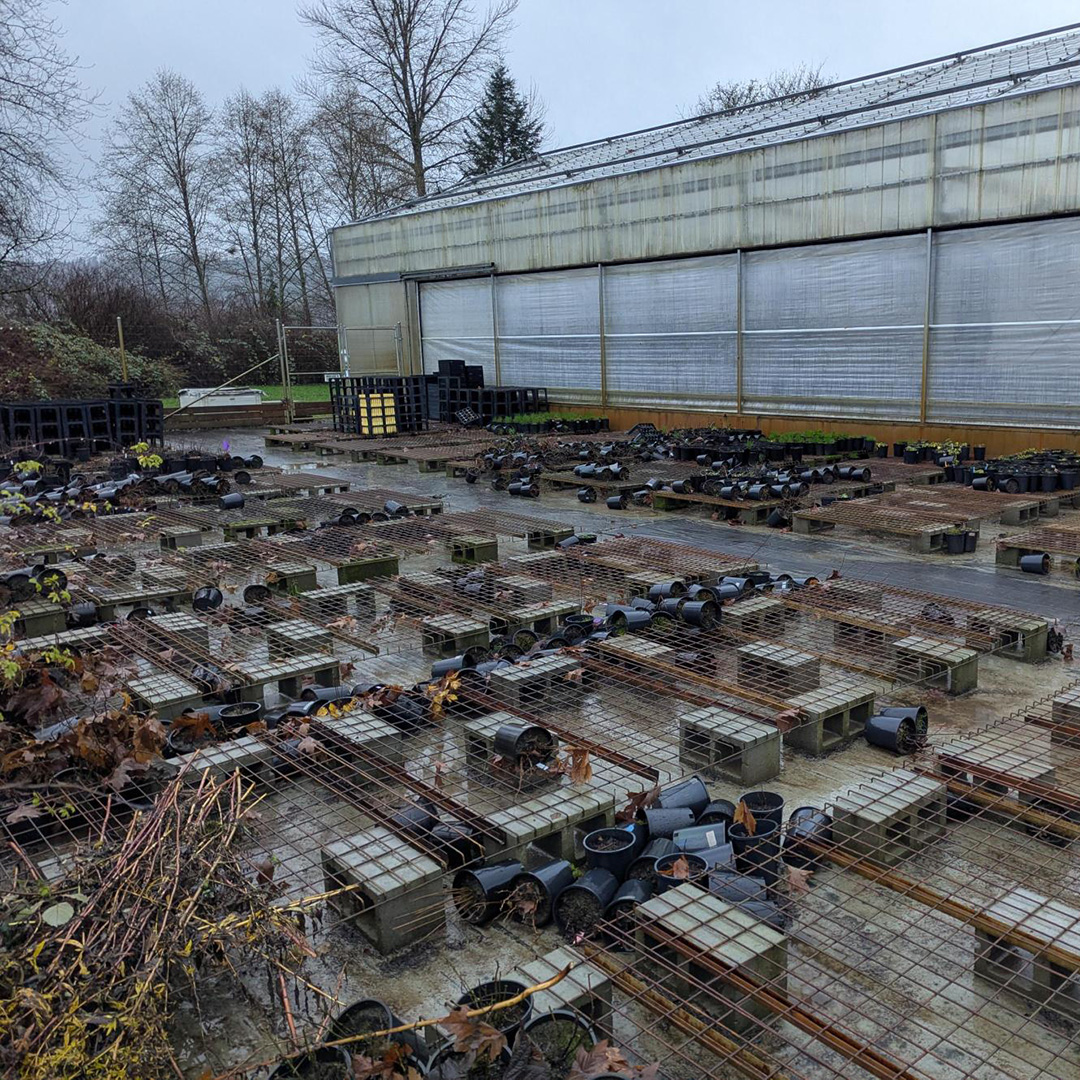
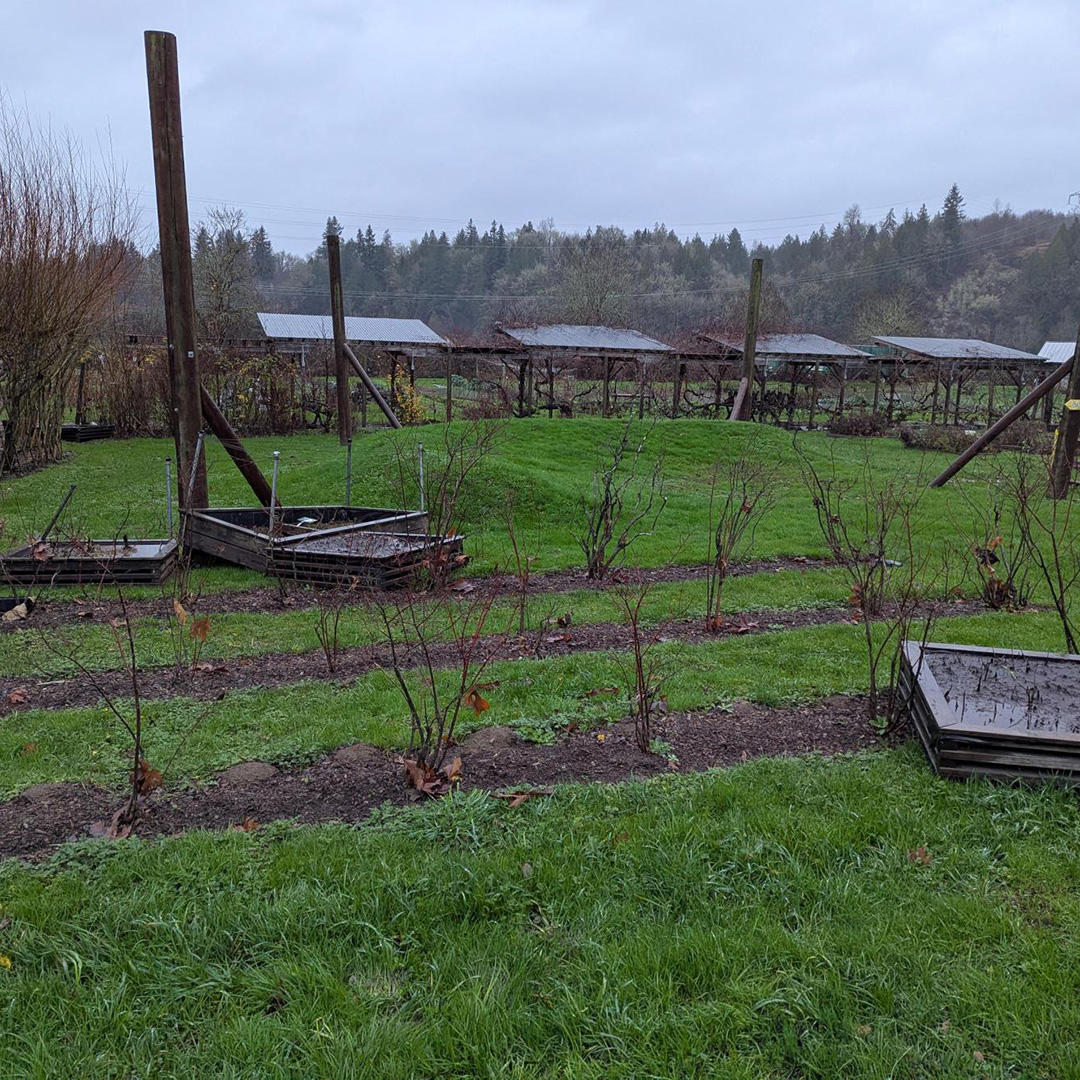
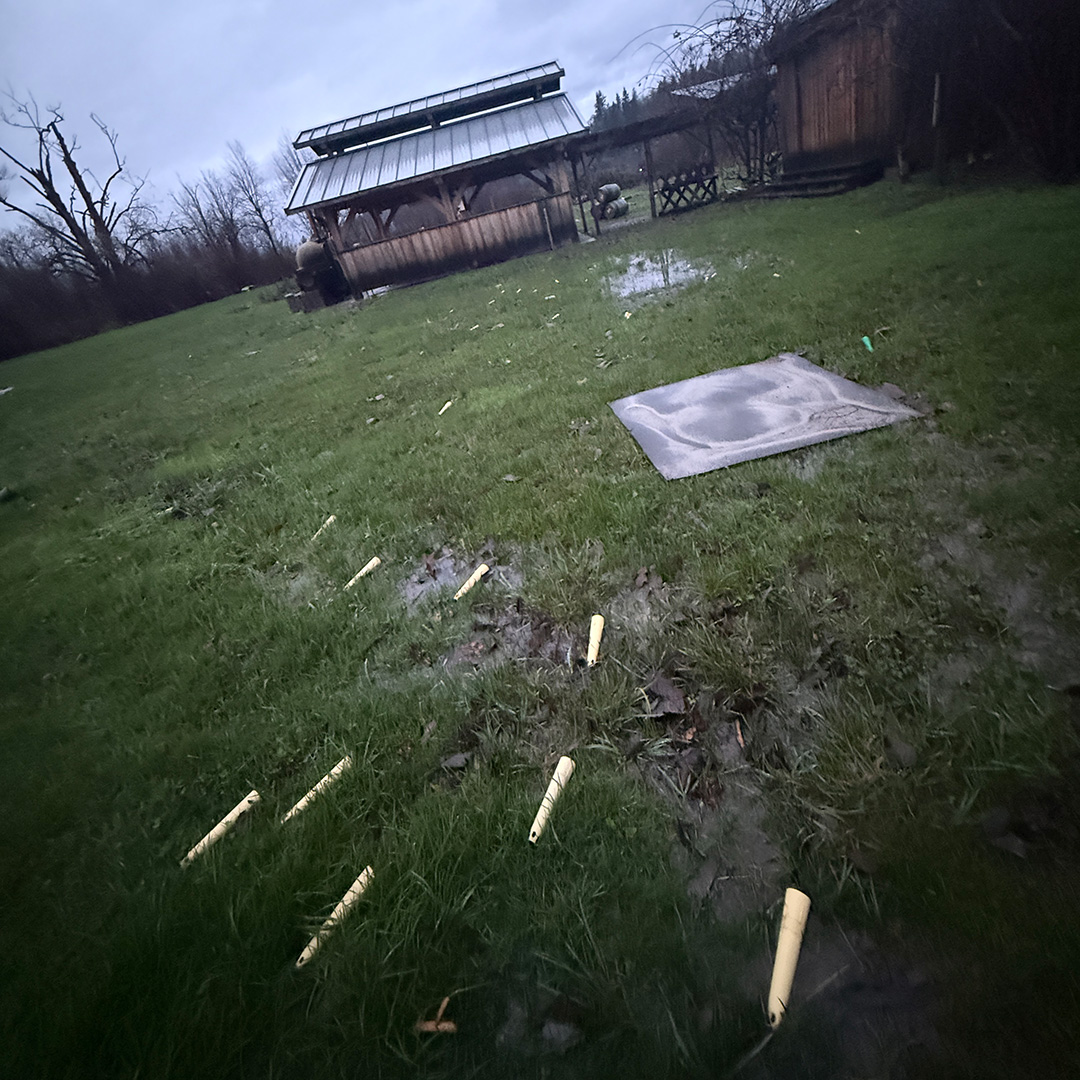
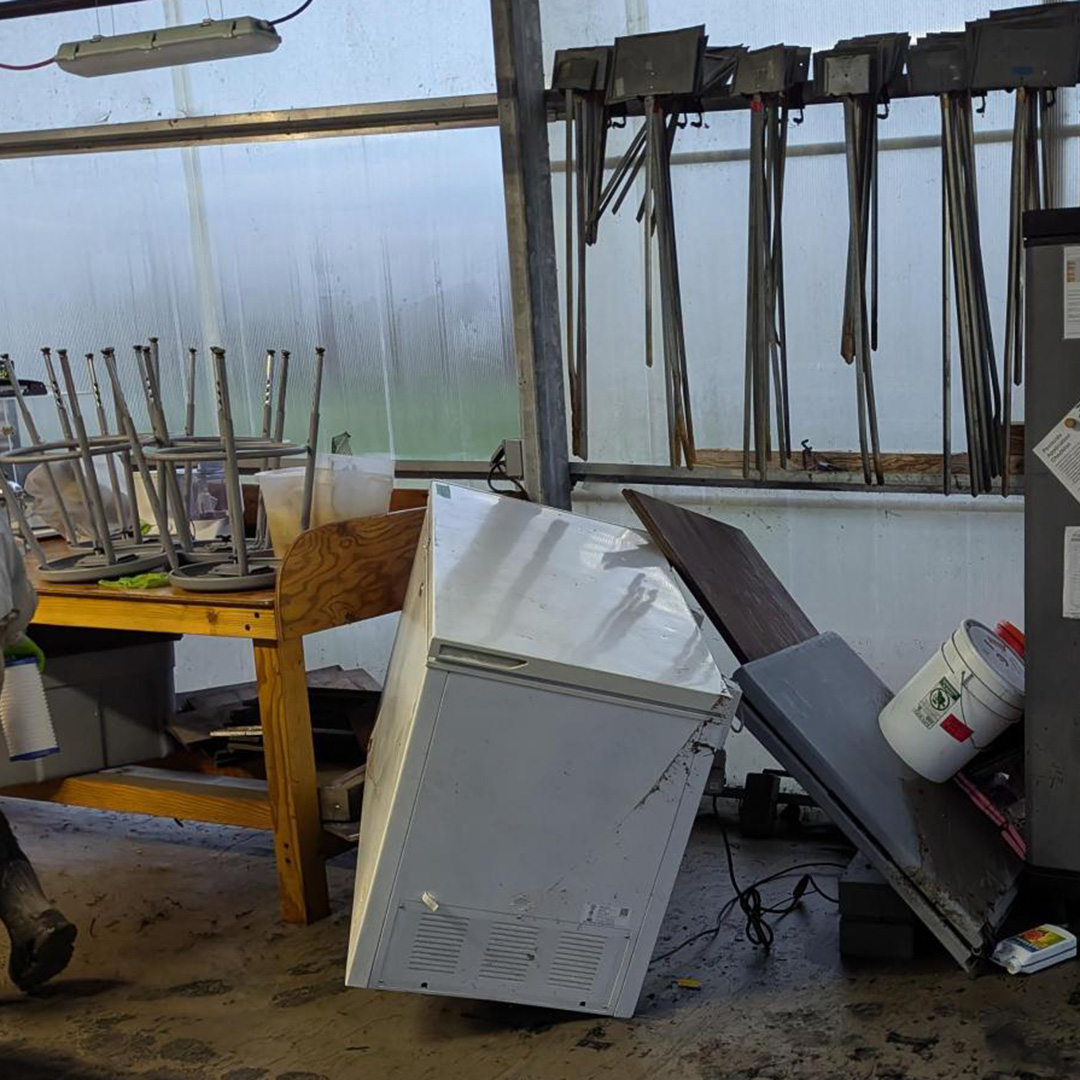
“One of the hardest moments for me was seeing the loss of 1,600 vacciniums (huckleberry) we had planted just the week before,” said Nursery Production Manager Lea Dyga. “It was overwhelming to see years of the team’s work swept away and given how long it takes some species to grow, this loss will be felt for years to come. There are some plants we expect won’t be ready for sale again until 2030.“
The Work That Followed
Nursery restoration was as much mental as it was physical. Mud to clear. Tools to sanitize. Spaces to rebuild. Days spent scrubbing tables, moving plants, taking inventory, and riding waves of emotion.
“It’s natural to feel demoralized when staring down a stack of 7,000 one-gallon pots and realizing it will take 140 labor hours to wash and sanitize them,” said Cherie Rendon, one of Oxbow’s Native Plant Sales Coordinators. “But I’m grateful for the sense of camaraderie that grew alongside it all. It came from the team trusting that they could show up and share their feelings honestly, even when those feelings were hard.”
Help from Many Hands
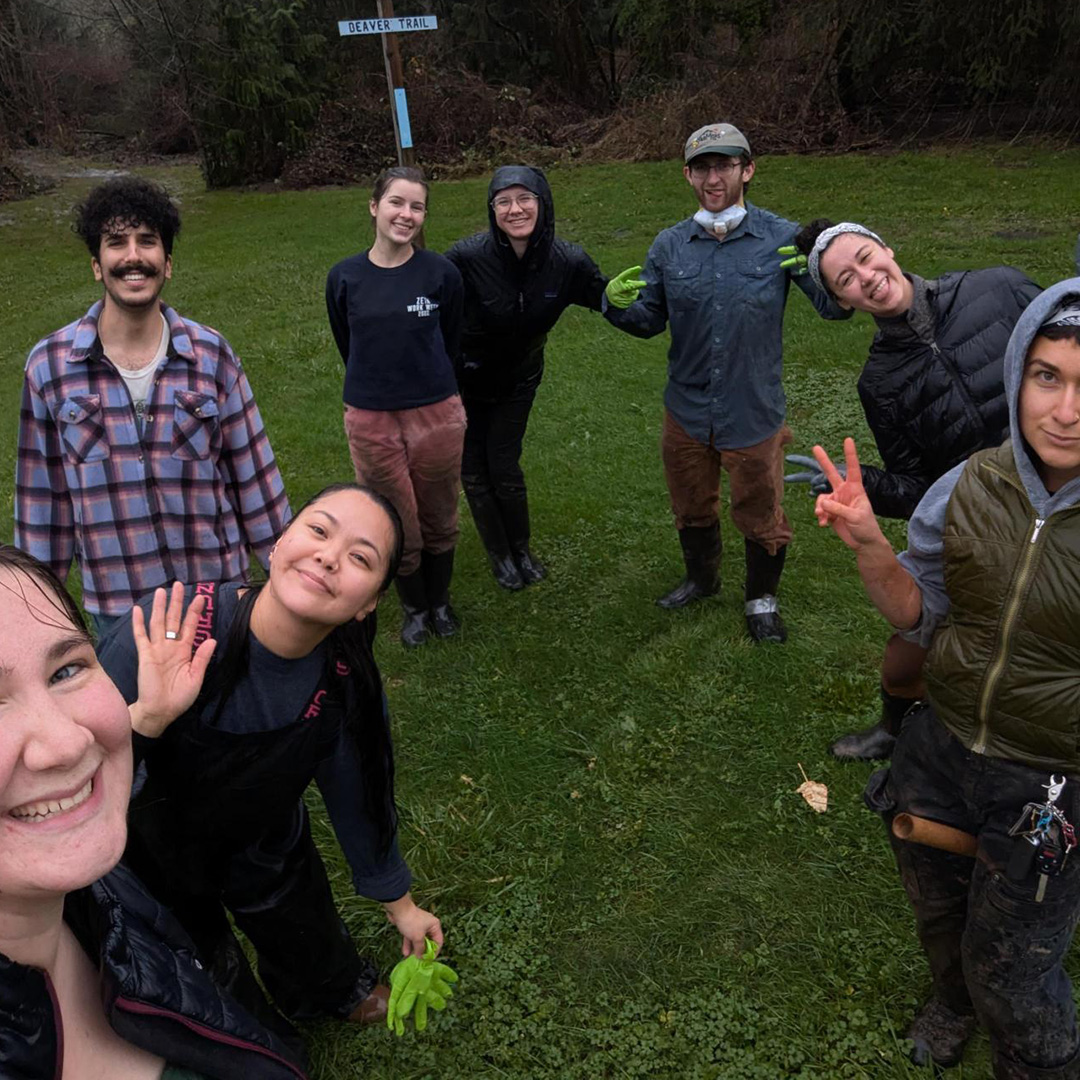
Recovery hasn’t happened in isolation. Since the cold weeks of January, dozens of volunteers have stepped in to help. From medical residents to student interns, from longtime supporters to first-time visitors, people showed up ready to lend a hand. Together, we’ve moved thousands of plants, cleaned and restored supplies, and returned our growing spaces to safe, productive use.
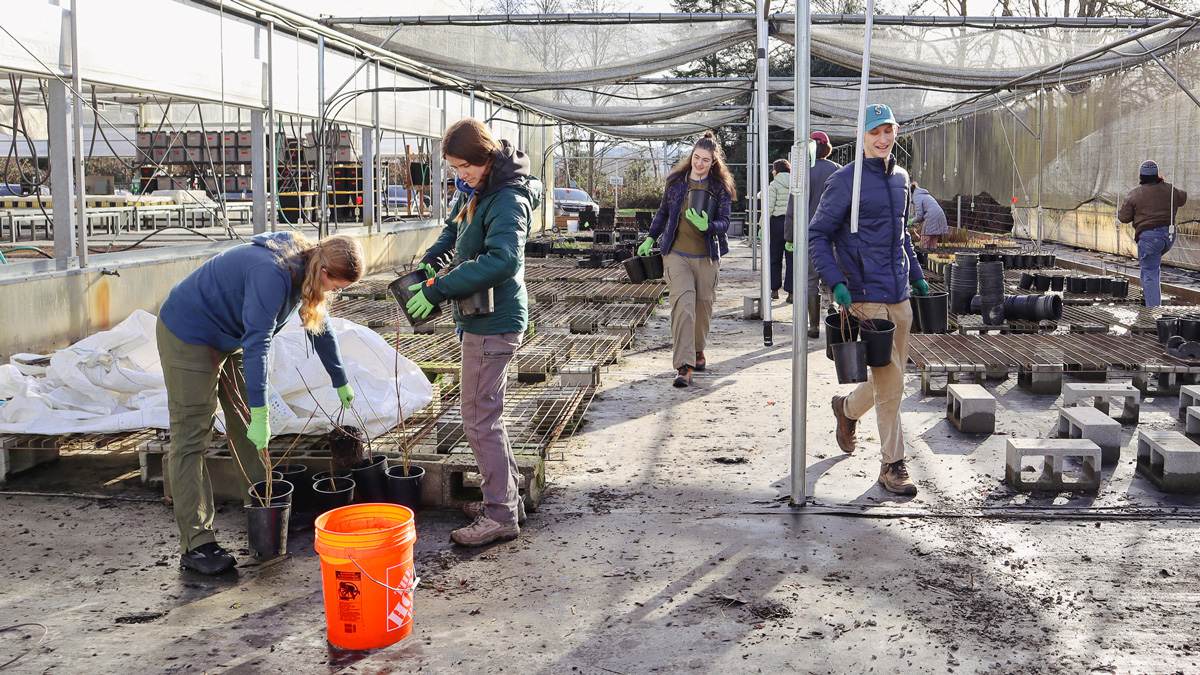
Already this year, we’ve sown 23,000 seeds. New growth is beginning to push through the soil, a reassuring sign of renewal and a reminder that real restoration takes root through relationships.
What We’ve Noticed
Throughout the clean-up, a few insights stood out to our team:
Production Technician Jason Azizian shared, “Even as an organic farm and nursery with best management practices in place, we’re reminded that the broader world around us is not free of harmful chemicals. It reinforces why our work matters.”
Nursery Manager Lea added, “It’s comforting to know that Oxbow didn’t pass any gunk downstream.”
Cherie and her fellow Native Plant Sales Coordinator Nicole Seiger reflected that, in an unexpected way, the disruption of the flood created space:
“It gave us time to rethink and reshape our systems, plans, and physical spaces in the nursery,” Nicole noted, “from renovating the nursery office space to pausing bulk orders and refining our internal processes.”
“It also opened the door to reimagine our spring plant sale as a festival, creating more opportunities for connection, creativity, and knowledge-sharing than we typically have from behind a register,” said Cherie.
In the absence of plants to sell, the team has been full of ideas for how to make this event feel meaningful and alive.
For Native Plant Sales Manager Kimmy Ortmann, “The flood teaches us a lesson similar to what nurse logs can teach us: that death gives way to life.” From loss, new opportunities for deeper connection and community engagement are already blooming.
Growing Forward, Together
Even with a smaller plant inventory this season, there are meaningful ways to support the nursery and the work ahead.
Spring Native Plant Festival
Enjoy a day of renewal celebrating native plants and in the Snoqualmie Valley. Wander open meadows and forested trails, explore the nursery, and enjoy hands-on activities and workshops for all ages and experience levels.
Workshops
Build ecological skills and stewardship through in-depth, small-scale learning experiences
Volunteering
Lend a hand in ongoing nursery recovery and habitat restoration efforts.
Bulk Orders
Starting April 1, we will accept new bulk orders. You can email nativeplants@oxbow.org to request current availability and projected availability for fall contracts.
Make a Donation
Your gift will help us flourish by re-seeding our native plant nursery and increasing biodiversity across the Cascadia region.
Continue Reading
To go deeper into the story of the flood and what followed, explore:
How Winter Floods Reshaped Our Spring Plant Sale
Learn how this year’s event has evolved and what you can expect.
Flood to Full Circle
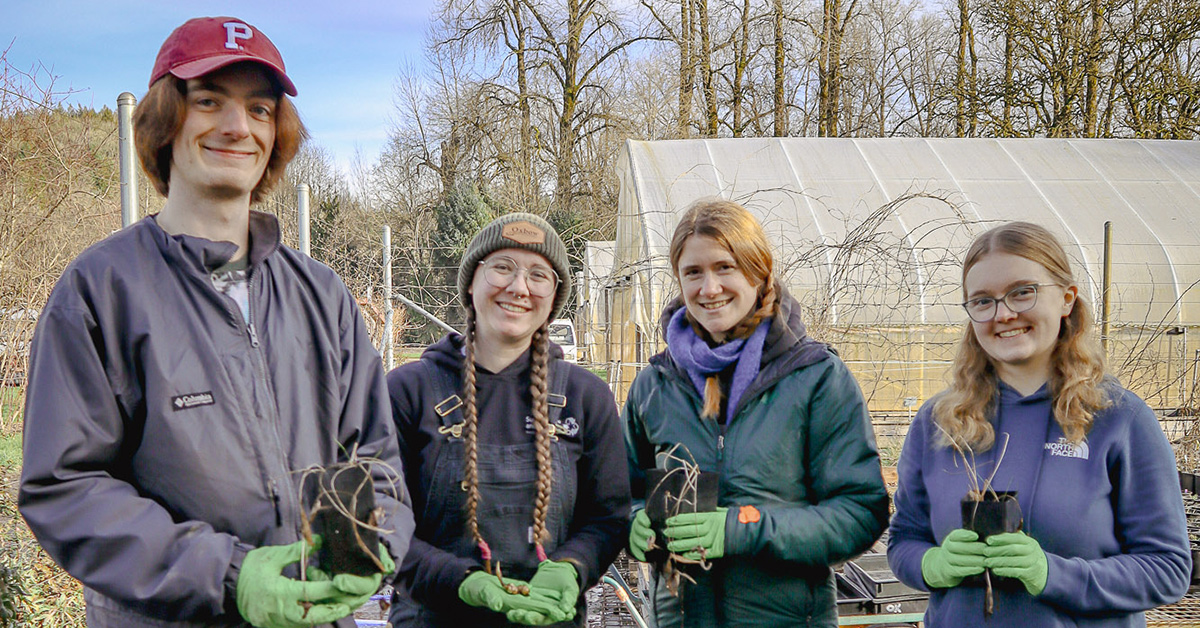
A story of resilience through reciprocity and how a gift of wapato from our friends at the University of Washington reminds us that care moves in cycles.