
Integrated Pest Management
Stewarding a Nursery Ecosystem
How we work with nature to grow healthy plants with minimal pesticide use and maximum ecological benefit
Integrated Pest Management (IPM) is a holistic approach to pest management that works with natural processes to support healthy plants and ecosystems. Rather than trying to eliminate every pest, we use prevention, beneficial insects, careful monitoring, and targeted interventions to keep pest populations at manageable levels and plants thriving.

The IPM Toolbox
We use four complementary strategies that work together to support a healthy nursery ecosystem
1. Cultural Control
Focus: Prevention.
These are the habits and practices that help keep pests and pathogens from entering or spreading through the nursery in the first place.
Why it Matters: The easiest pest to treat is the one you never get! Many pest issues can be avoided altogether through good sanitation and everyday best practices. Because prevention is often the most effective and lowest-impact strategy, cultural controls form the foundation of our IPM program.
Around the Nursery:
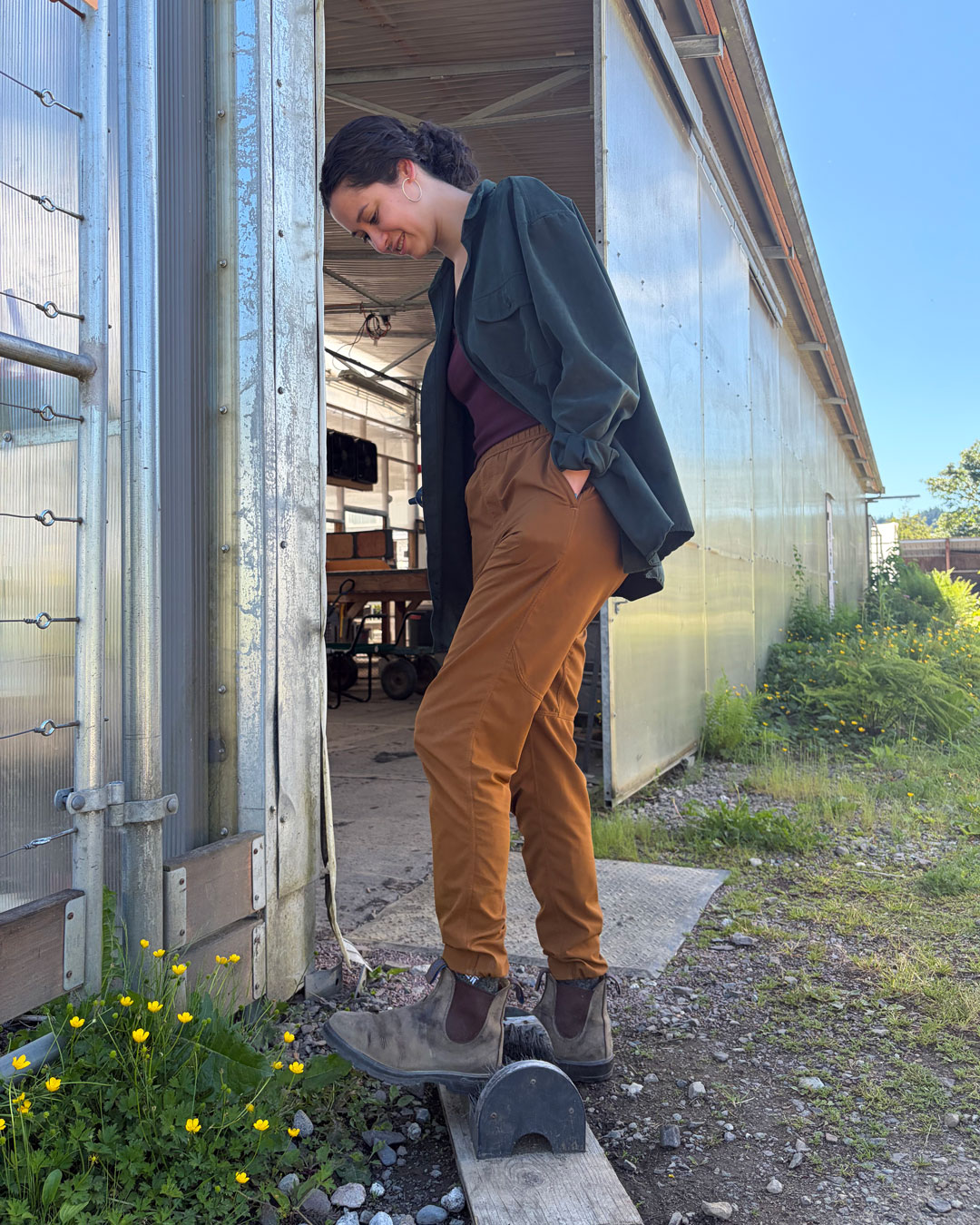
- Brushing and spraying our boots before entering production areas
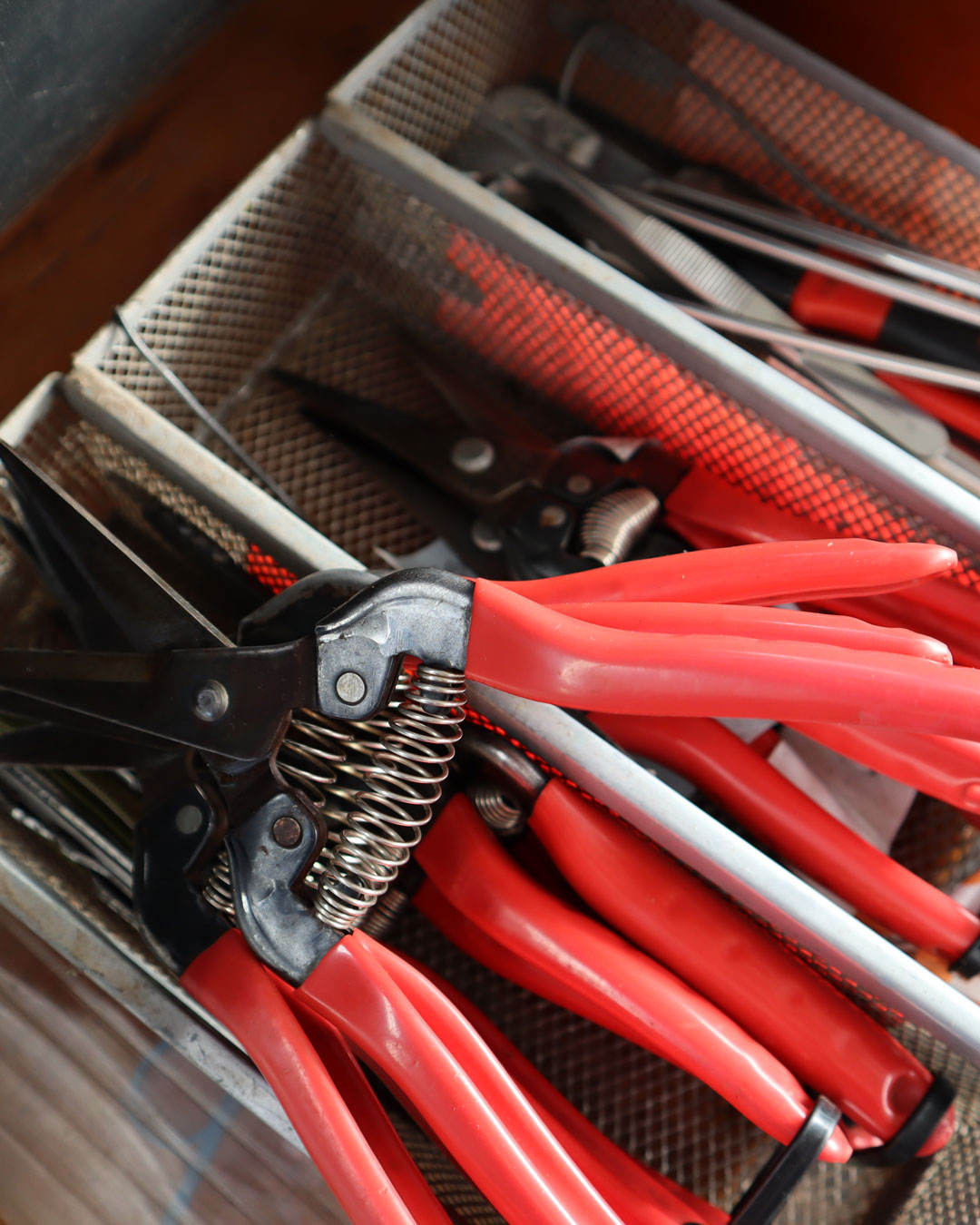
- Sterilizing tools and workspaces between species
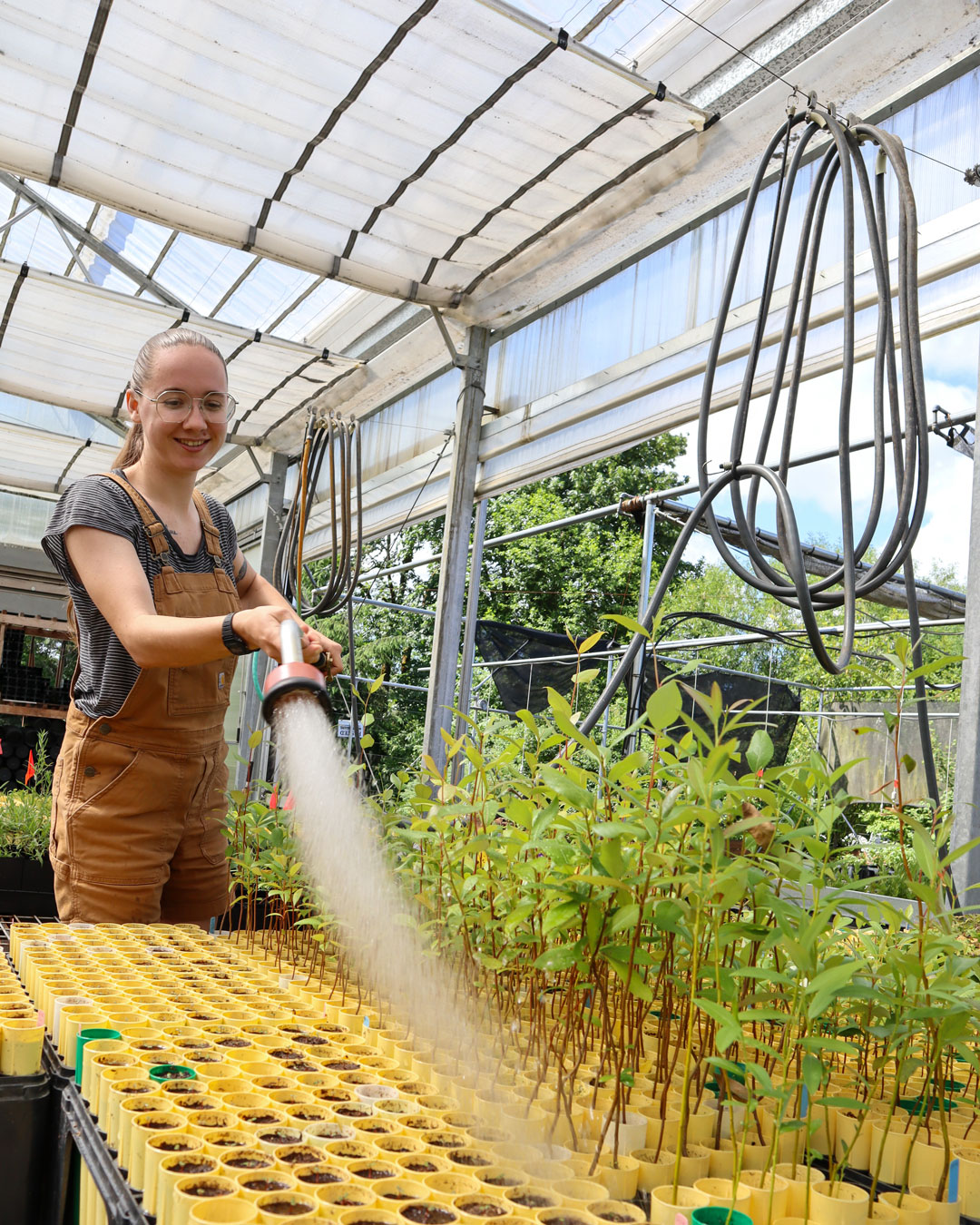
- Keeping plants and hoses off the ground
2. Mechanical Control
Focus: Physical intervention
These are the first control options when pests are detected. They are hands-on actions and structural features that physically remove pests or prevent them from reaching plants.
Why it Matters:
Mechanical controls can quickly reduce pest pressure without relying on pesticides. They also help create growing conditions that are less favorable for pests, pathogens, and wildlife that may damage plants.
Around the Nursery:
- Squishing harmful bugs with our hands
- Spraying pests off plants with water
- Removing infected leaves and plant material
- Using fencing to keep deer out of production areas
3. Biological Control
Focus: Working with beneficial organisms
These are active and passive measures to control pest outbreaks. These are the insects, mites, nematodes, spiders, and other animals that help keep pest populations in balance.
Why it Matters:
Biological controls allow us to work with natural ecological relationships rather than against them. By supporting beneficial species, we can manage pests while fostering a healthier and more resilient nursery ecosystem.
Around the Nursery:
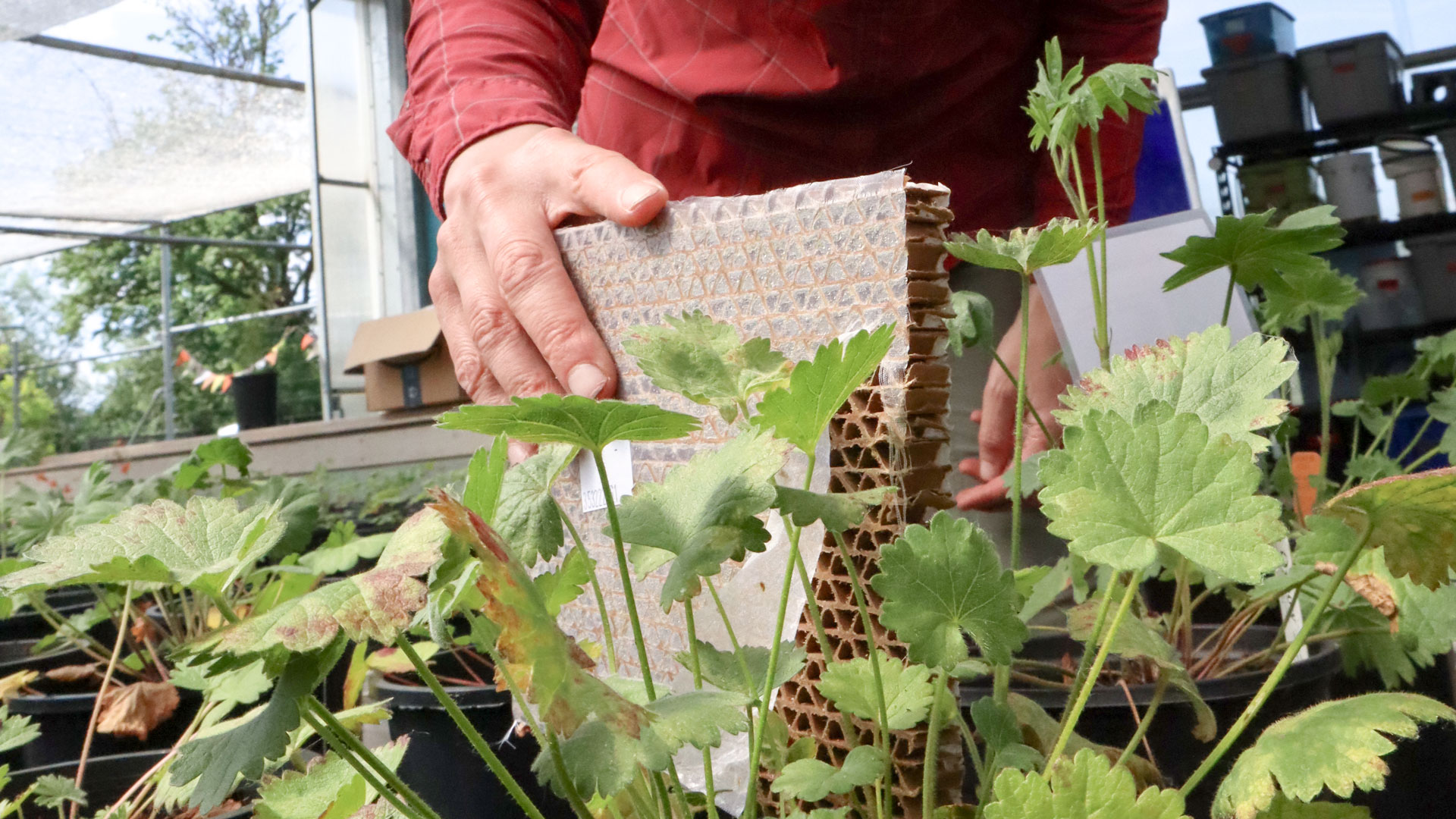
- Releasing beneficial insects such as rove beetles, green and brown lacewings, predatory mites, and nematodes
- Creating a welcoming habitat for naturally occurring allies like hoverflies, hunting wasps, parasitic wasps, powdery mildew-eating beetles, and spiders
- Timing other control measures carefully, including delaying pesticide applications following beneficial insect releases
- Celebrating visits from larger predators like weasels and minks
4. Chemical Control
Focus: Targeted intervention
Chemical controls are used as a last resort, when other strategies are not enough to keep pest populations at manageable levels.
Why it Matters:
When pesticides are necessary, careful product selection helps us protect plant health while supporting a safe and healthy nursery environment for staff, customers, pollinators, and wildlife.
Around the Nursery:
- Using certified organic pesticide products
This includes products such as concentrated thyme oil and potassium bicarbonate (which is only a step away from being Tums) - Prioritizing targeted treatments over routine applications
- Evaluating lower-impact strategies before applying pesticides
IPM Questions & Answers
Explore the principles, practices, and observations that guide Oxbow’s approach
Our Native Plant Nursery Production Team spends a lot of time thinking about plants, pests, and the relationships that connect them. We asked them to share their perspective on IPM, biodiversity, and the many creatures that call the nursery home.
Most of our IPM work happens long before a pest ever becomes a problem.
A typical week might include:
- Scouting plants for pests and beneficial insects
- Sanitizing tools and workspaces
- Pulling weeds
- Cultivating habitat for pollinators and predatory insects
Adjacent to the nursery, we maintain beneficial insectaries with a variety of native herbaceous plants, shrubs, and trees, including Philadelphus lewisii (mock orange), Fragaria vesca (woodland strawberry), and Sidalcea hendersonii (rose checkermallow).
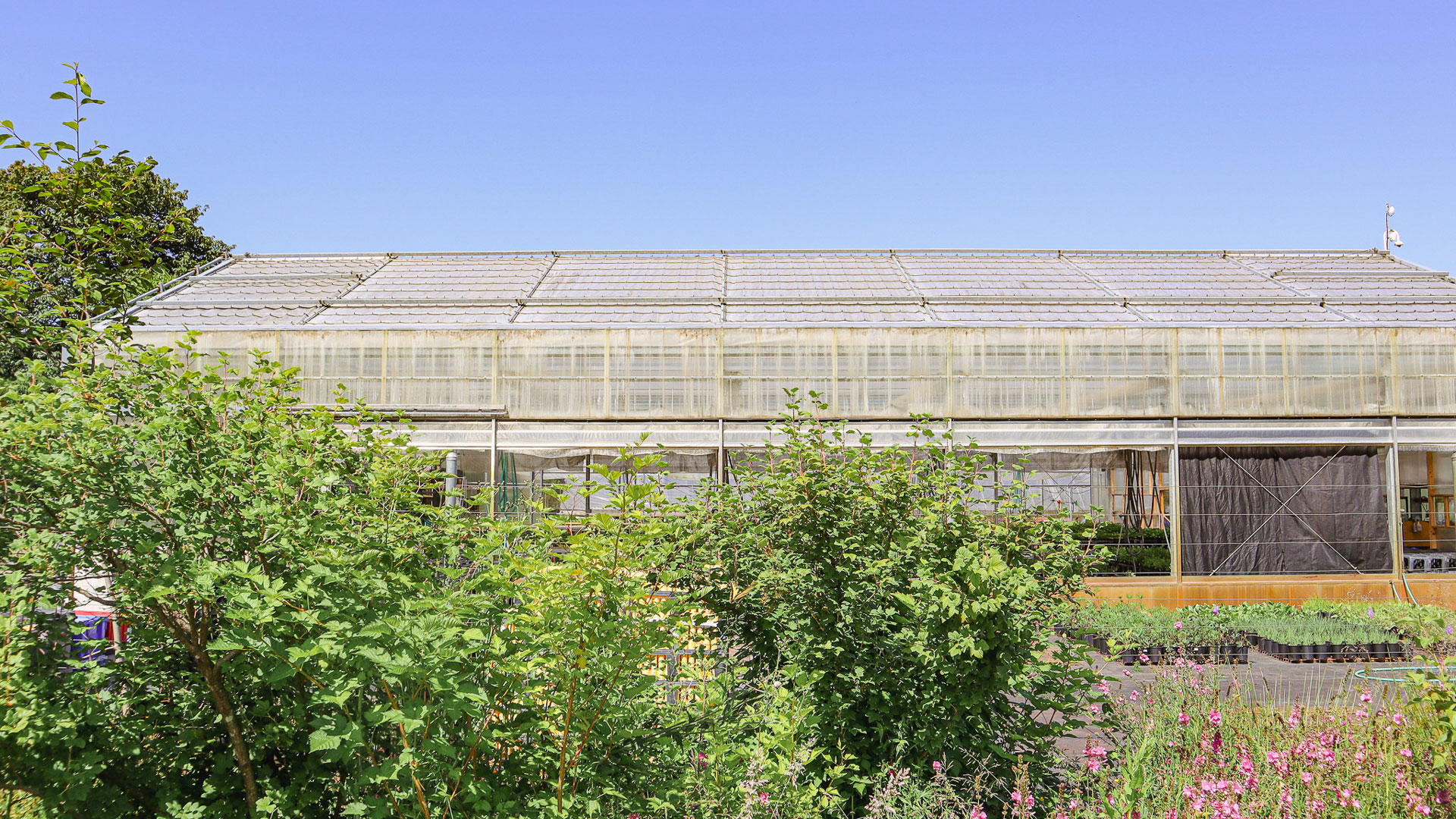
We also pay close attention to irrigation, fertilization, spacing, and plant placement because healthy plants are often better equipped to handle pest pressure in the first place. For us, IPM is about fostering the conditions that allow plants, insects, soil, and people to thrive together.
Because pesticides don’t just affect pests.
Many pesticides can also impact pollinators, predatory insects, and other beneficial organisms that help keep nursery ecosystems healthy. Over time, repeated pesticide use can also lead to pest resistance, making some products less effective.
Our goal isn’t to eliminate every insect in the nursery. It’s to support a balanced ecosystem where beneficial organisms can do much of the work for us. By relying on prevention, monitoring, and biological controls first, we’re often able to address pest issues with fewer chemical interventions and better long-term results.
A big part of IPM is observation.
Our team scouts the nursery every week, inspecting plants for signs of insects, mites, disease, and beneficial organisms. We don’t just record what pests we find, we also look at how widespread they are, whether populations are increasing, and how the plants are responding.
The nursery is a bit like a preschool: when you bring thousands of living things together in close proximity, some of them are going to get sick!
Finding a few aphids on a healthy plant isn’t necessarily a problem. What we’re really looking for is an action threshold: the point at which a pest or disease is likely to threaten plant health, spread through the nursery, or require intervention.
That threshold varies depending on what we’re observing. Some pests can be present at low levels without causing significant harm, while others require immediate action. For example, a handful of aphids may be acceptable on an otherwise healthy plant, but certain pathogens, such as Phytophthora, have a zero-tolerance threshold in our nursery.

In practice, that means:
- If we can’t detect a pest or disease, our current controls are doing their job
- When fewer than 5 plants are affected, we start paying closer attention and considering whether additional action is needed
- When around 10 plants are affected, we begin planning additional control measures
- When around 20 plants are affected, it’s time to use remedies to knockdown populations
By monitoring regularly and responding early, we can often address issues before they become widespread, reducing the need for chemical interventions later on.
Beneficial insects help us manage pests by doing what they naturally do: eating them.
Many of the insects we want in the nursery arrive on their own. By maintaining pollinator habitat and minimizing pesticide use, we create conditions that encourage predatory insects, parasitic wasps, hoverflies, spiders, and other beneficial species to stick around and help keep pest populations in balance.

Sometimes, we give our plants a helping hand by releasing additional beneficial insects into the nursery. Depending on the pest we’re managing, that might include predatory mites and nematodes.
Some beneficials are especially versatile, helping us manage a wide range of common nursery pests.
Here are a few of our most helpful allies:
Green & Brown Lacewings

Lacewing larvae are highly effective predators that feed on many soft-bodied insects and are often used as a broad-spectrum biological control.
Common Prey:
- Aphids
- Caterpillars
- Spider mites
- Leafhoppers
- Thrips
- Whiteflies
- Mealybugs
- Scale insects
Minute Pirate Bugs

Both adults and nymphs are active predators that hunt small insects among foliage and flowers.
Common Prey:
- Thrips
- Aphids
- Caterpillars
- Leafhoppers
- Sawflies
Rove Beetle

Both larvae and adults are effective predators of small soil-dwelling pests in growing media and around the base of plants.
Common Prey:
- Fungus gnats
- Thrips
- Spider mites
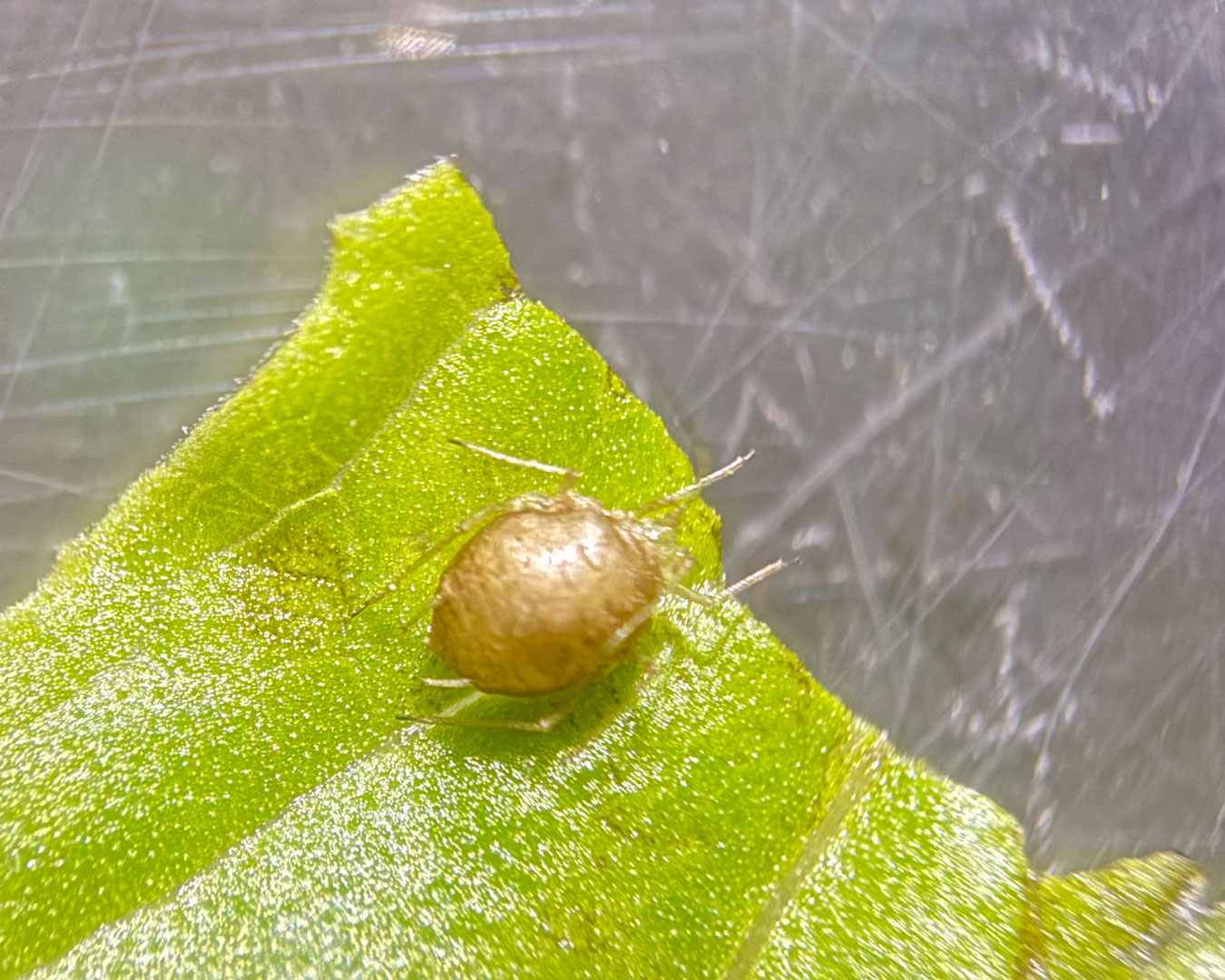
We’ve started seeing our first aphid mummies of the season! Several species of parasitic wasps lay their eggs inside live aphids. Not only does this kill the aphid (and provide food for the wasp babies), it also produces a new generation of wasps that will go on to kill even more aphids.
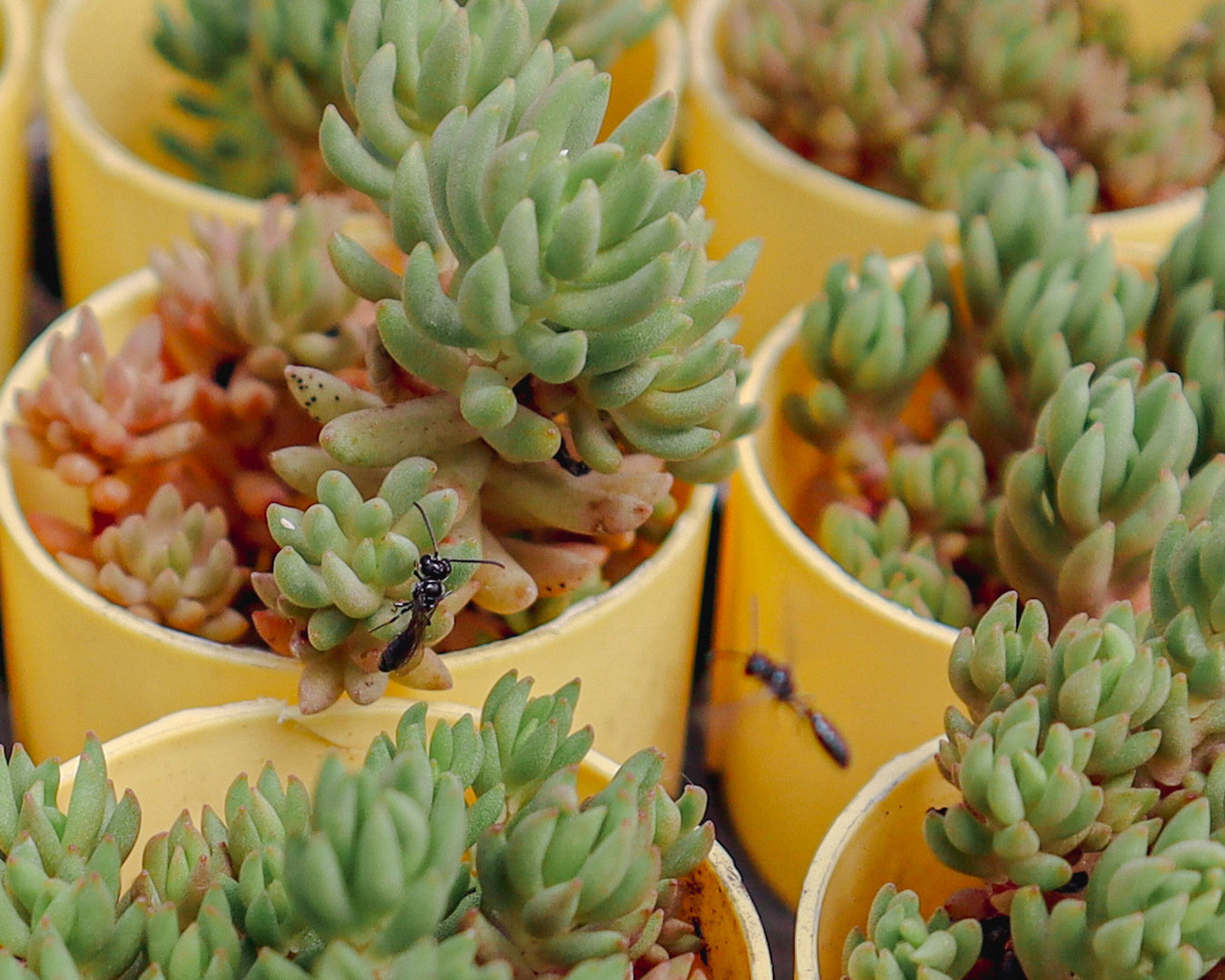
We’re also seeing lots of these parasitic wasps visiting flowering plants throughout the nursery, especially our sedums.
We’ve spotted lacewing larvae on many of the plants where we’ve released beneficial insects. These predatory larvae feed on aphids and other soft-bodied pests.
And of course, shoutout to all the spiders we’re seeing around the nursery (and literally everywhere else). They eat bugs too!

Our IPM program helps us grow healthy, vigorous plants with minimal pesticide use and provide customers with pest-free plants for gardens, restoration sites, and landscapes.
Because native plants support biodiversity both above and below ground, healthy plants are the foundation of healthy ecosystems. The practices we use in the nursery help ensure our plants are ready to thrive wherever they take root.

Additional Resources
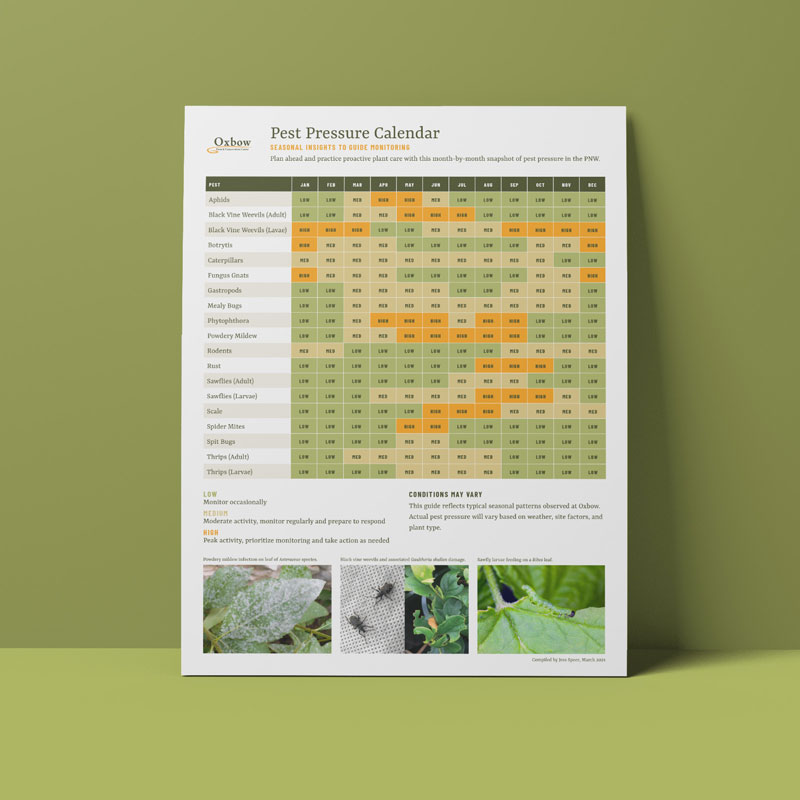
Printable PDF
Plan ahead and practice proactive plant care with this month-by-month snapshot of pest pressure in the PNW.
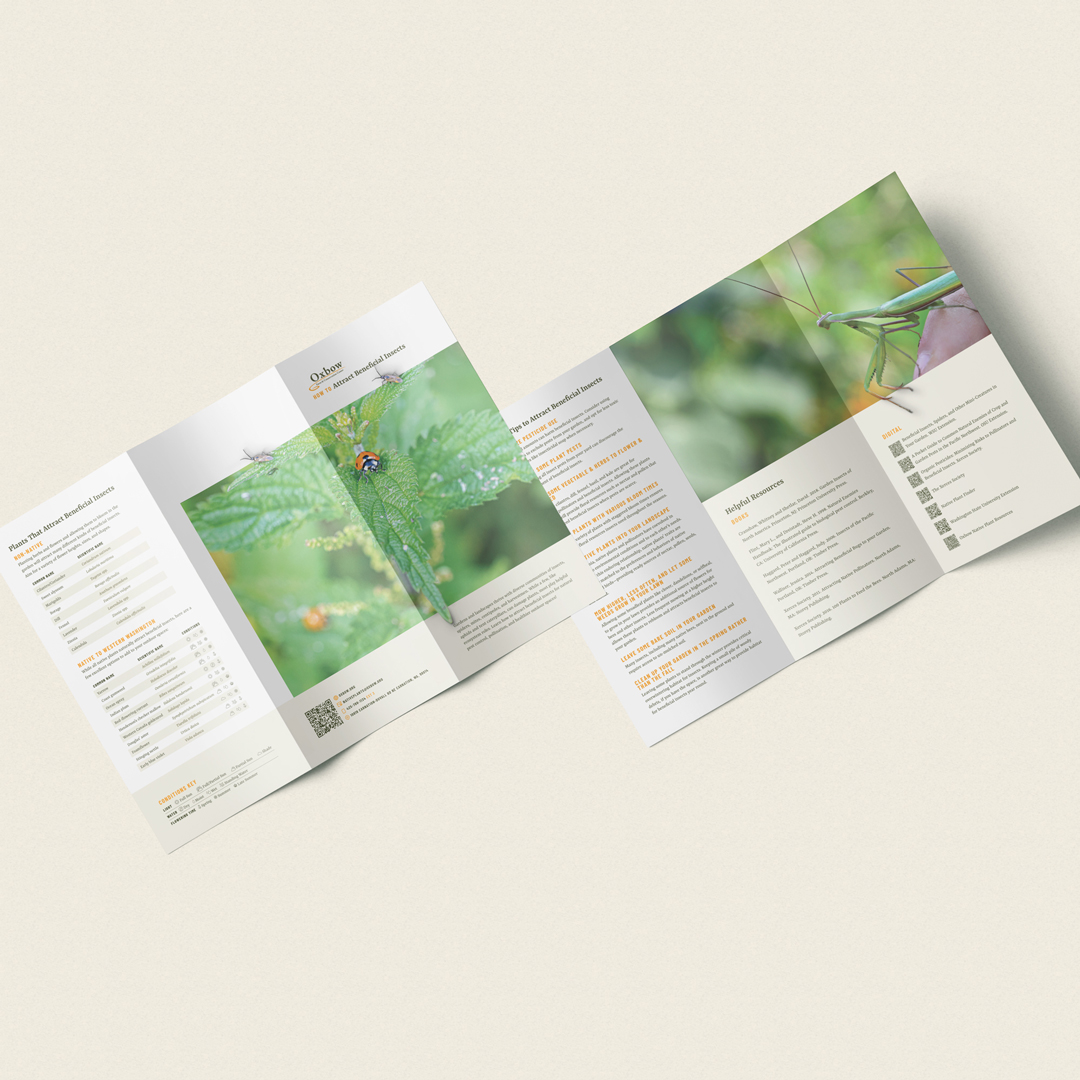
Printable PDF
Get tips, plant lists, and resources for supporting pollinators and natural pest predators in your garden.
“Quick Find” Insect Crop Pest Guide
PNW Pest Management Handbook
Search by plant species to explore common pests, diseases, and management considerations for plants grown in the Pacific Northwest.
Encouraging Beneficial Insects in the Garden
Oregon State University Extension Service
A detailed introduction to common beneficial insects, how to identify them, and the ecological roles they play in gardens and landscapes.
Your Guide to Integrated Pest Management Strategies
Washington State University Extension, Master Gardener Program
Integrated Pest Management guidance tailored specifically for home gardeners, including pest identification, monitoring, and prevention strategies.